KMRL Ferry
YEAR
2017
STUDIO
PSP Design
STATUS
Completed
TYPE
Architecture & Interiors
AREA
~ 31, 000 Sqft
LOCATION
Kerala
TEAM
2 x Architects
1 x Principal architect
ROLE
Architectural Designer
2D & 3D Illustrator
ABOUT
In 2017, Kochi Metro Rail Limited (KMRL) held an architectural design competition for new Water Metro ferry terminals at Vyttila and Fort Kochi, in Kerala, India.
The competition aimed to create iconic, sustainable transport hubs, with winners receiving cash prizes and recognition for designing terminals for the expanding system, which connects metro services with water transport.
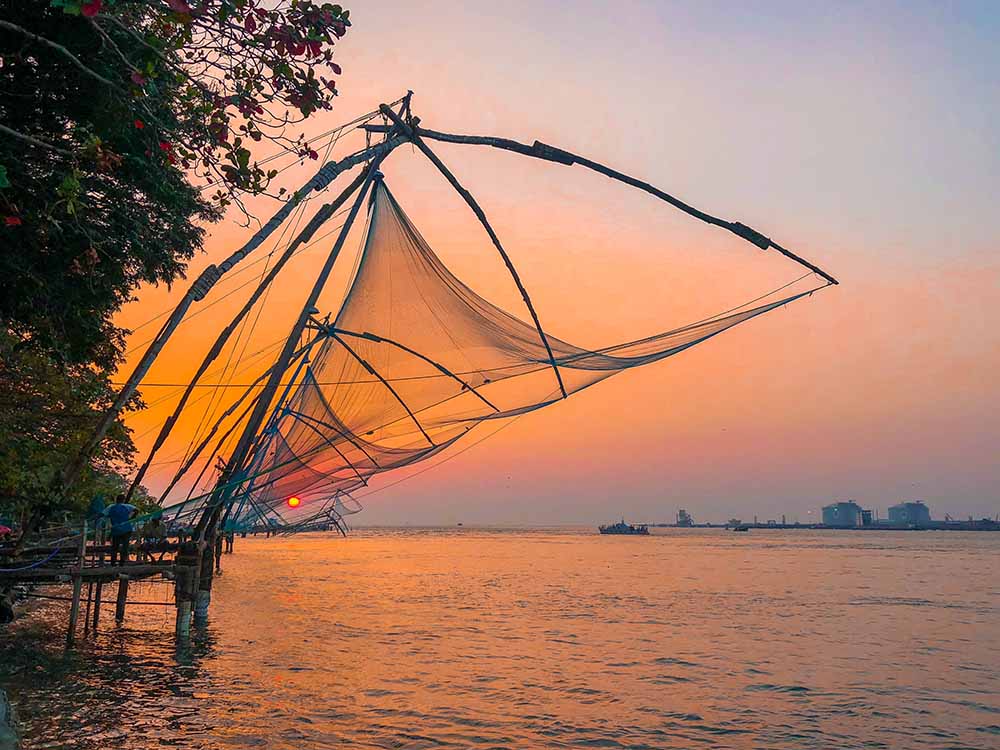
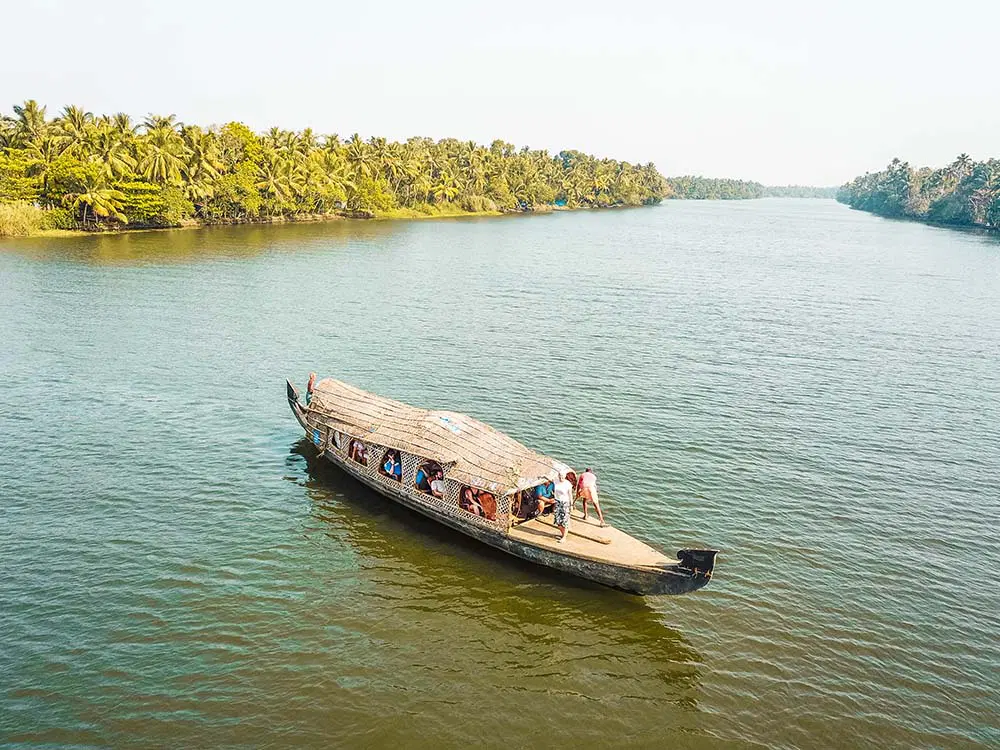
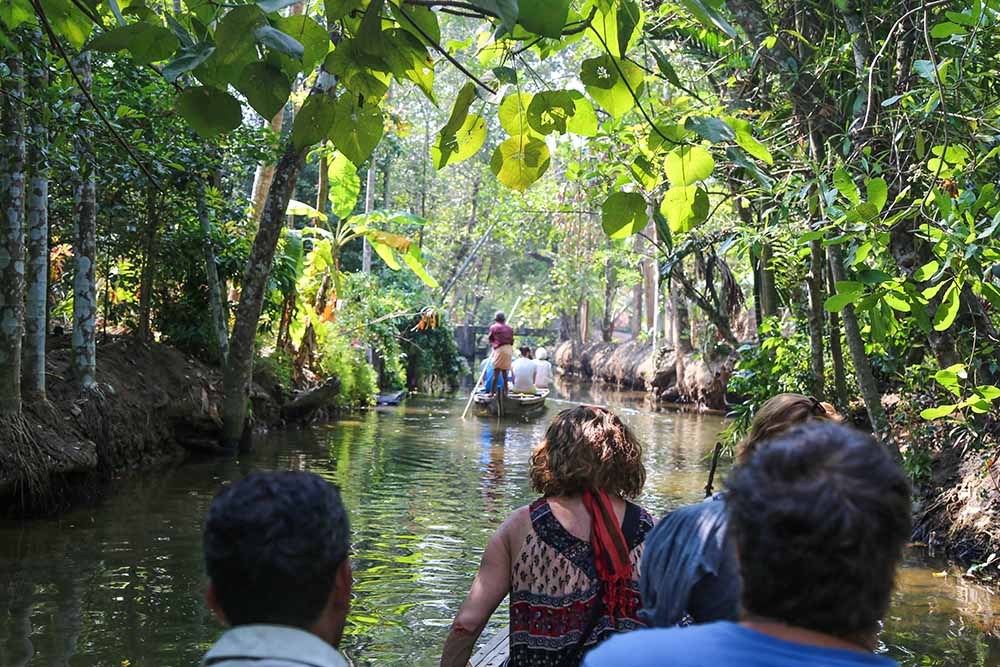
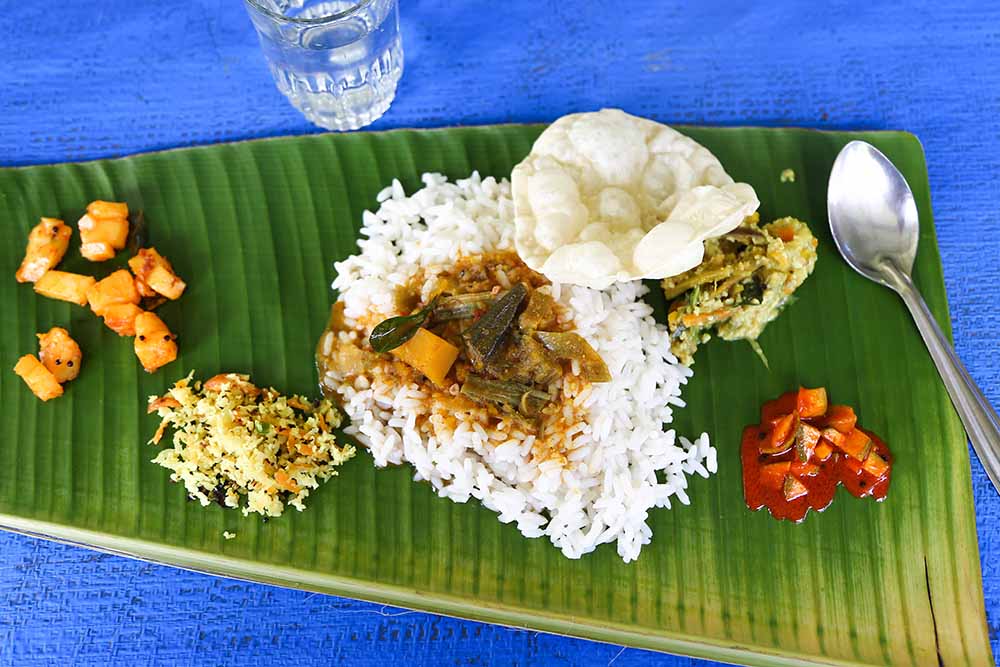
Photographs by Annabel Symonds - 8 Things To Do In Fort Kochi Kerala, South India
For Kochi is known for it's "Chinese Fishing Nets" - Unique, cantilevered nets seen at sunset. The city also has rich Colonial Heritage with European-style churches (St. Francis), bungalows (Dutch), and Jewish Synagogue. It also is the host of the Kochi-Muziris Biennale (art) held every 2 years.
The Kochi Water Metro project was in its early planning/construction phase, focusing on developing routes, islands, jetties, and acquiring electric boats, aiming to create India's first water-based public transport network, with construction on the first phase (Aluva-Palarivattom) just beginning, setting a futuristic vision for connectivity by 2017.
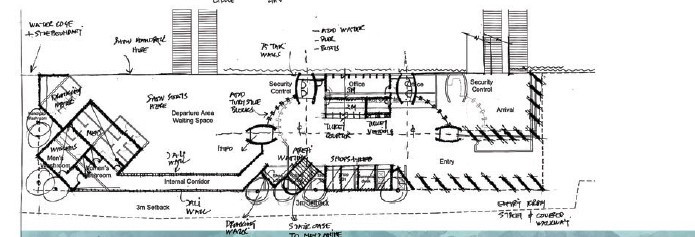
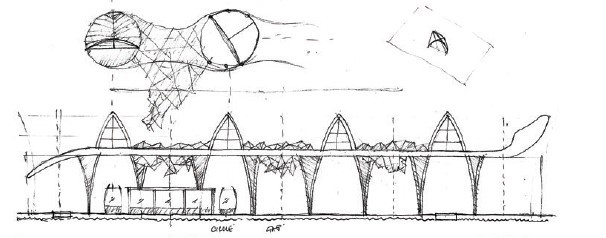
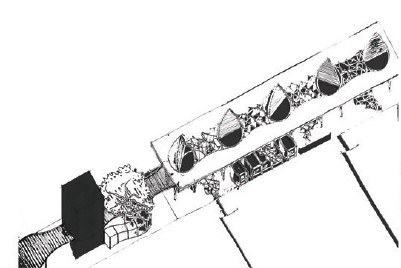
The design solution to the Water Metro terminal at Fort Kochi must address the many sociocultural facets that influence this site.
The rich history of its surroundings, the vibrancy of the Kochi Bienalle that is now a regular feature of the area, the timeless appeal of the Chinese Fishing nets in the vicinity.
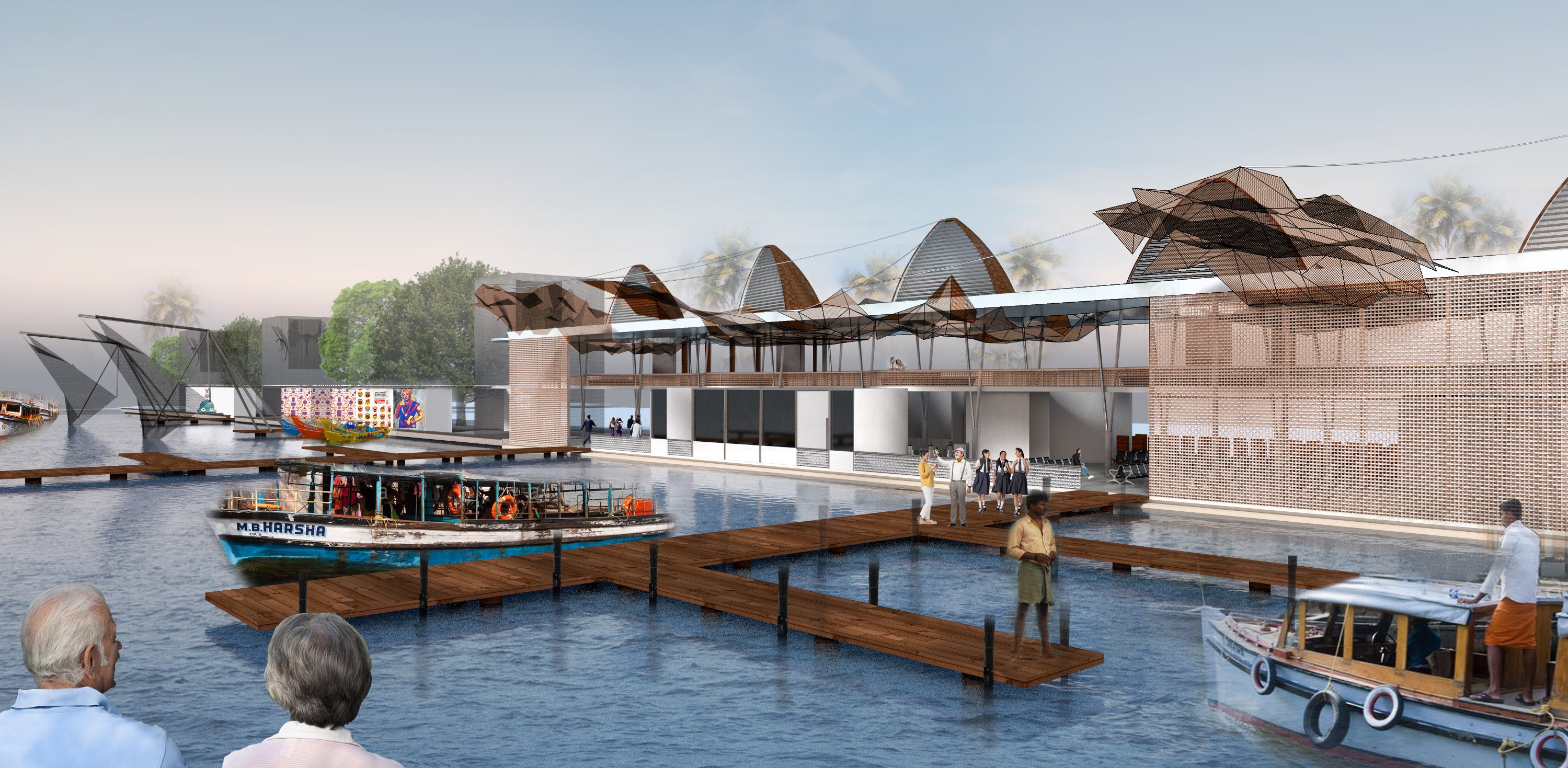
But it must also satisfy the functional aspects of a ferry terminal frequented by a large number of passengers, a building or development that is viewed from land as well as from across the water. The waterfront terminal must capture all this and more as it welcomes passengers by land and sea. Its plaza must be seen as an extension of the vibrant and colorful neighborhood that it is nestled in.
Sketches by Ajay Sethi, Principal Architect
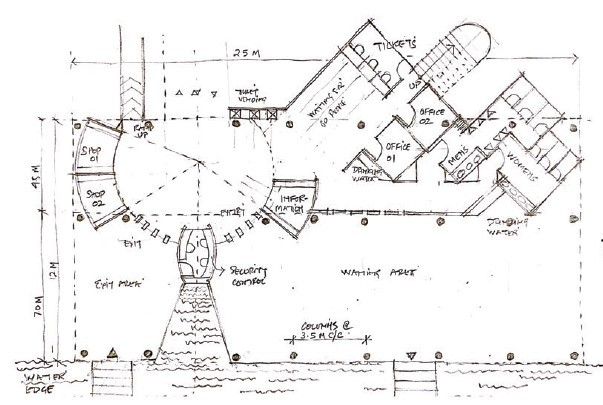
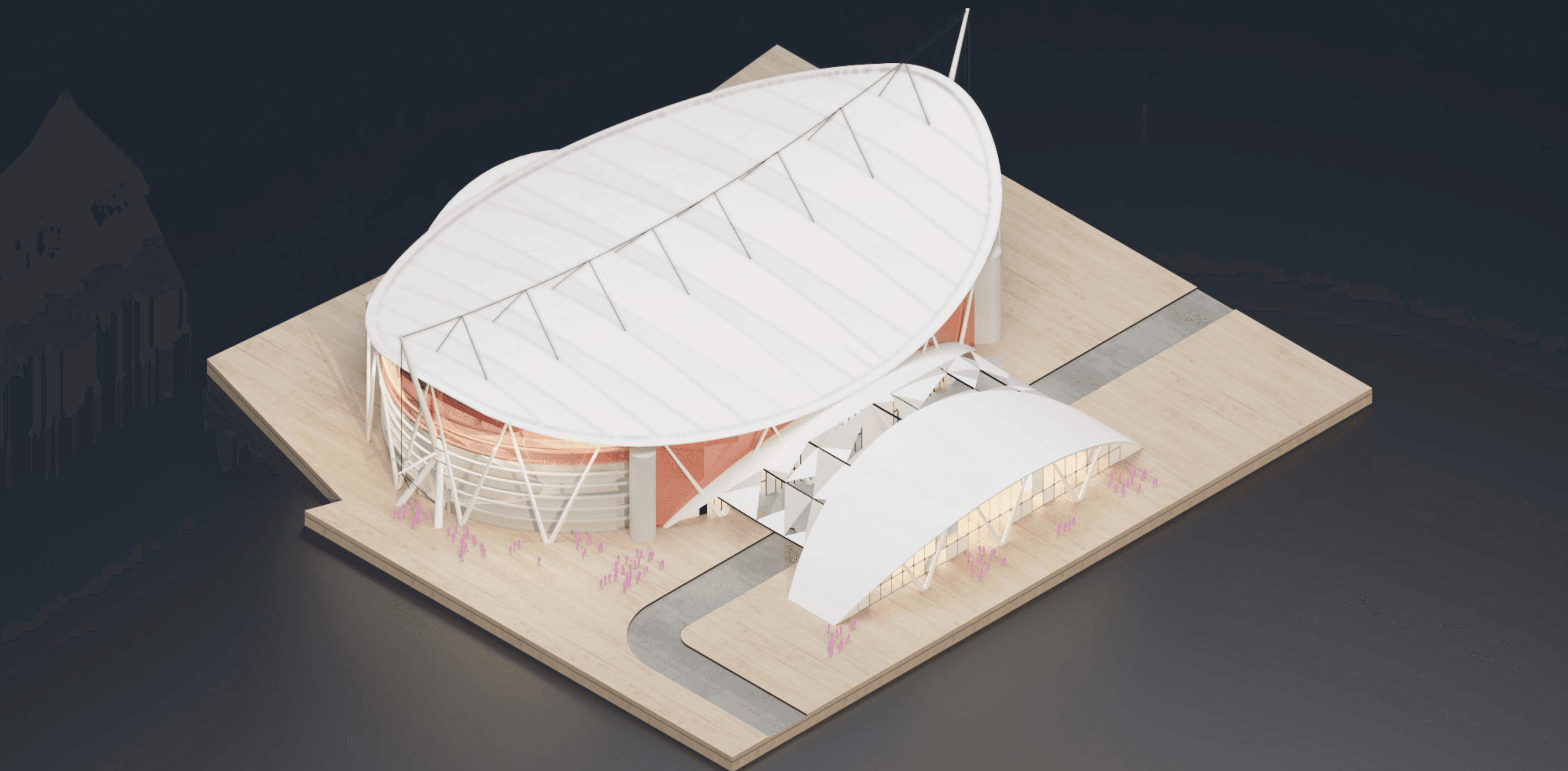
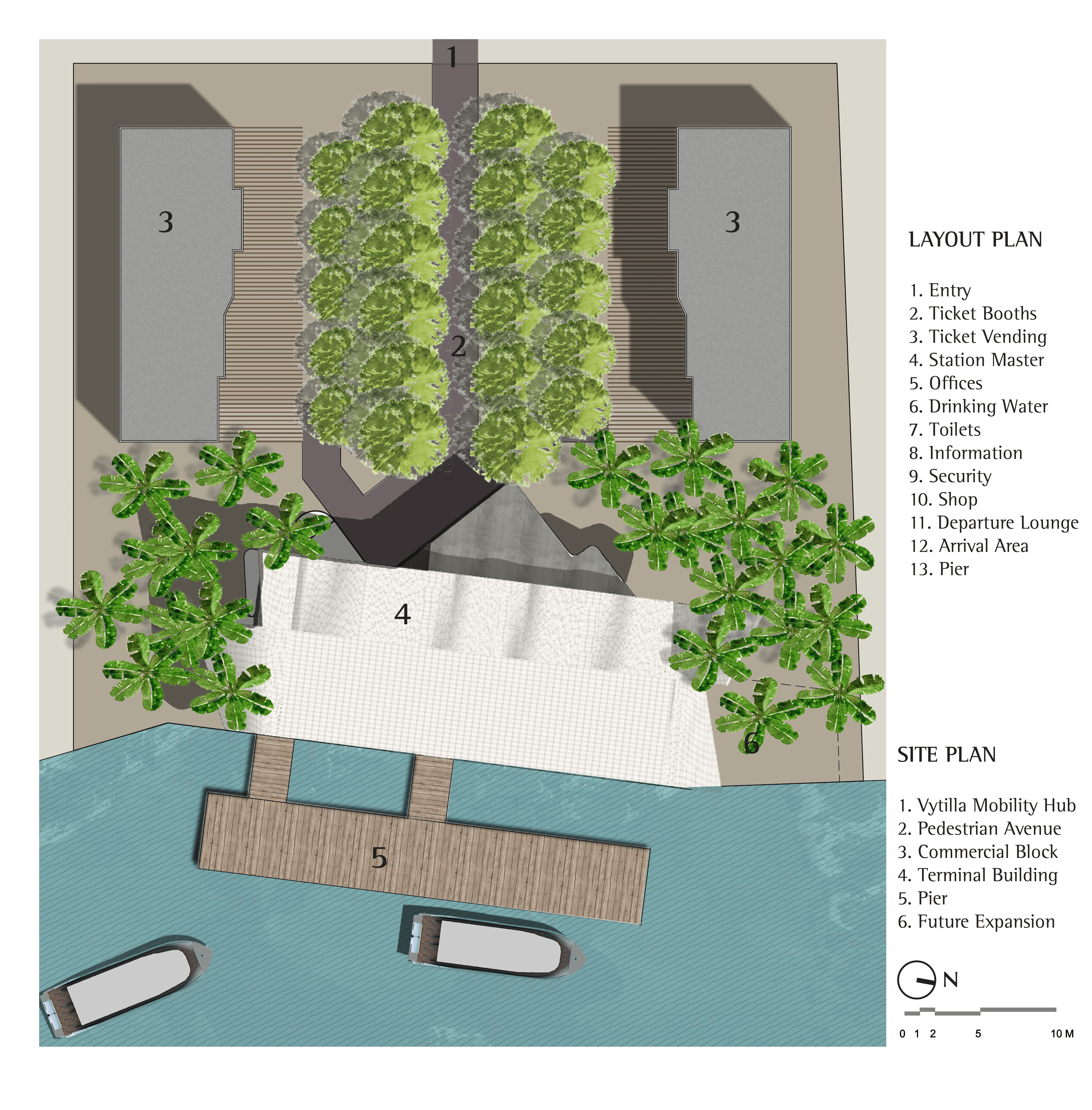
The Water metro terminal at Vytilla comes as an extension to the Vytilla mobility hub and such is perfectly positioned to deal with the inflow of passengers coming to this terminal.
The hub allows for passengers coming in by Bus, taxi, Cycle or pedestrian and also caters to taxi and private car drop offs. A tree lined pedestrian avenue leads to the the site of the ferry terminal. This tree lined avenue will be designed so it is of adequate width to cater to the two way movement as well as wheelchairs, strollers etc.
As one enters the site of the terminal site, the tree lined avenue is designed to expand into a double line of trees on both sides and this is flanked by informal commercial spaces at two levels. One can experience a transition of space here, from the busy pedestrian avenue one can step into the quieter shaded areas under the trees with informal seating & gathering options in planned in this zone. From here one can move further into a covered walkway in front of the commercial establishments which are planned at ground and first level.
A unifying pergola ties up the two level shops and terraces into an interactive whole. The commercial areas could include the necessary Restaurants, play pool spaces, ATM's, Retail shops and Service shops that aid the everyday need of the passengers frequenting the terminal.
Sketches by Ajay Sethi, Principal Architect
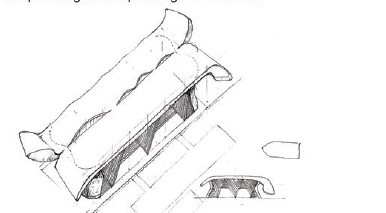

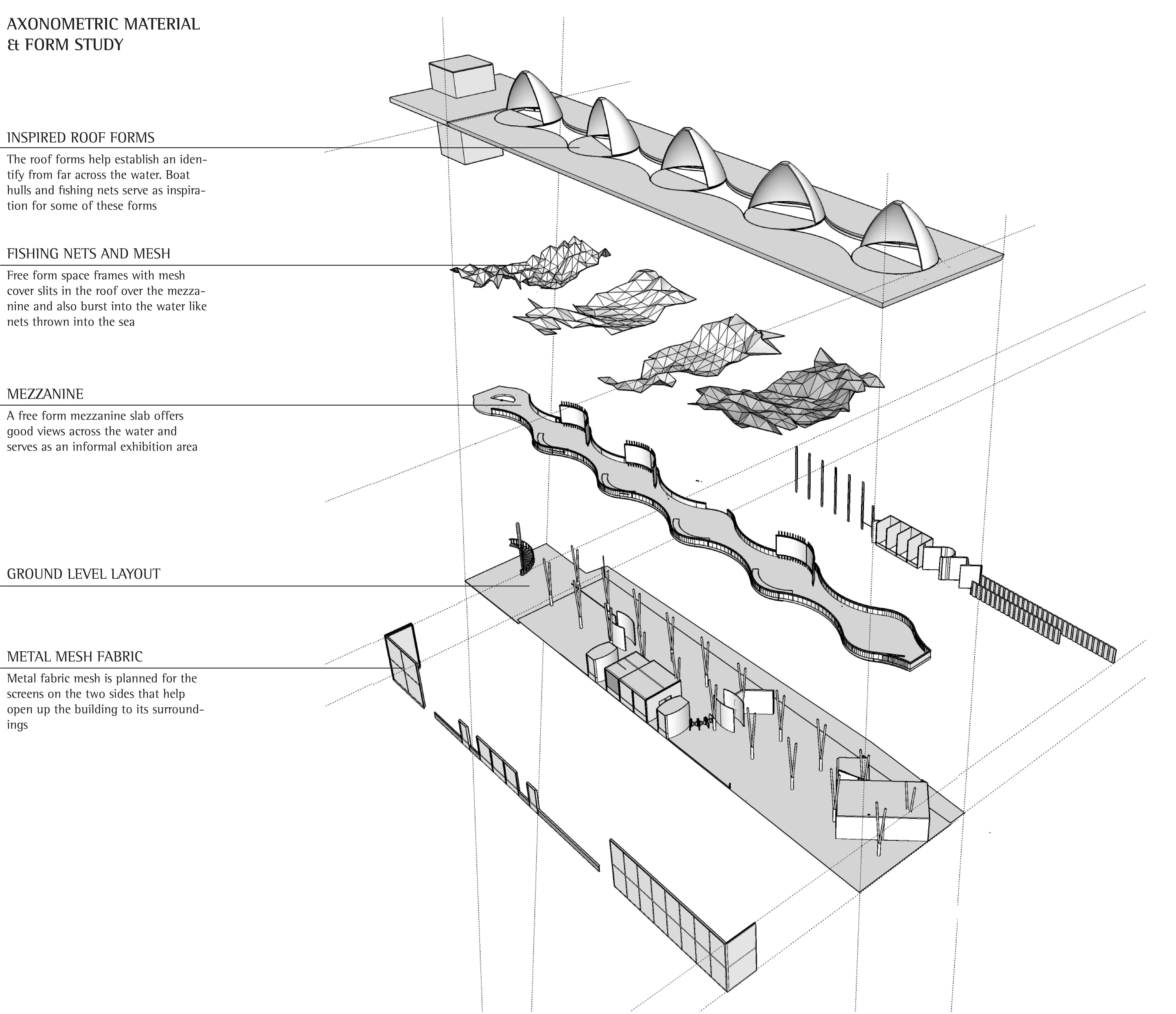
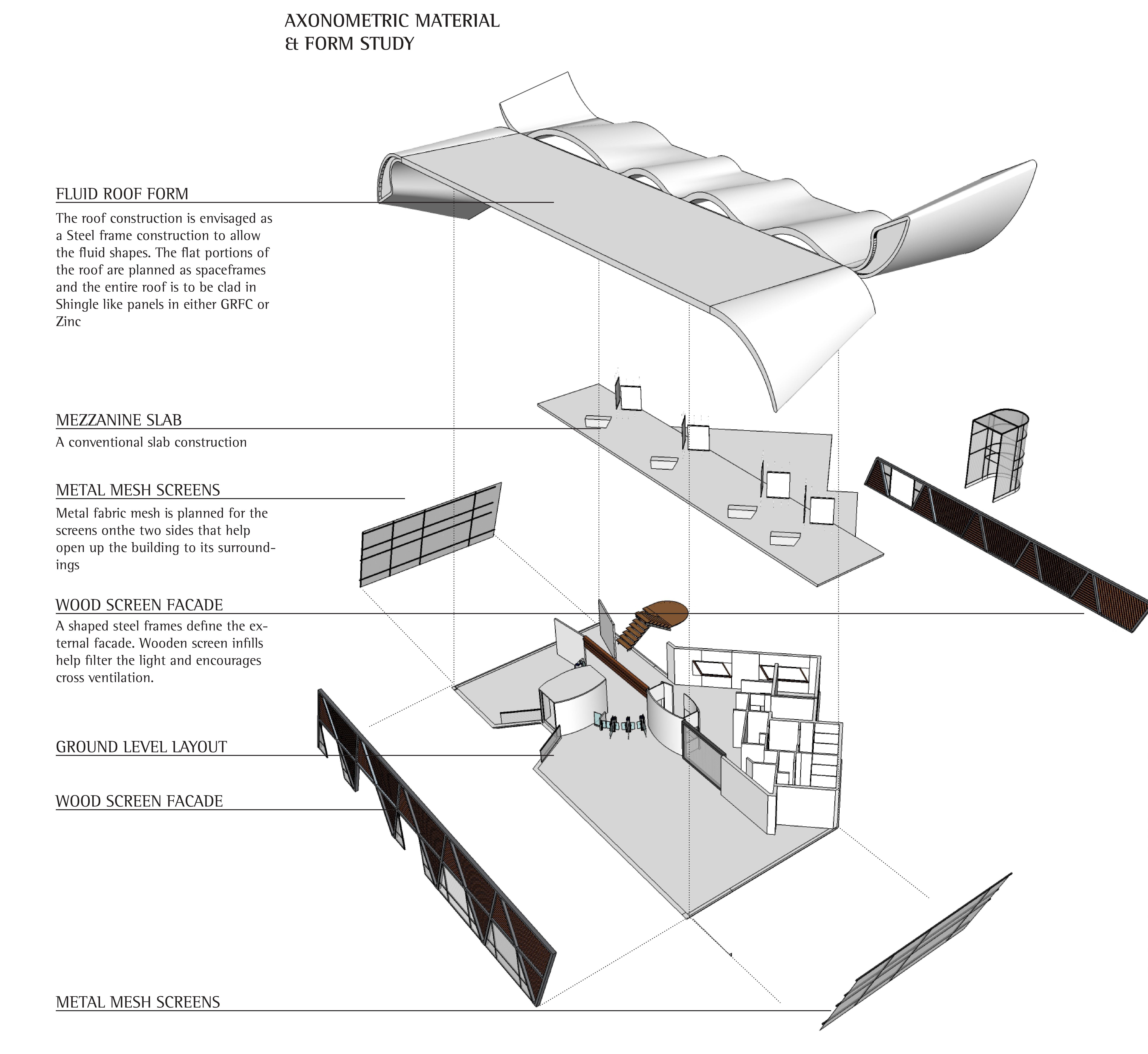
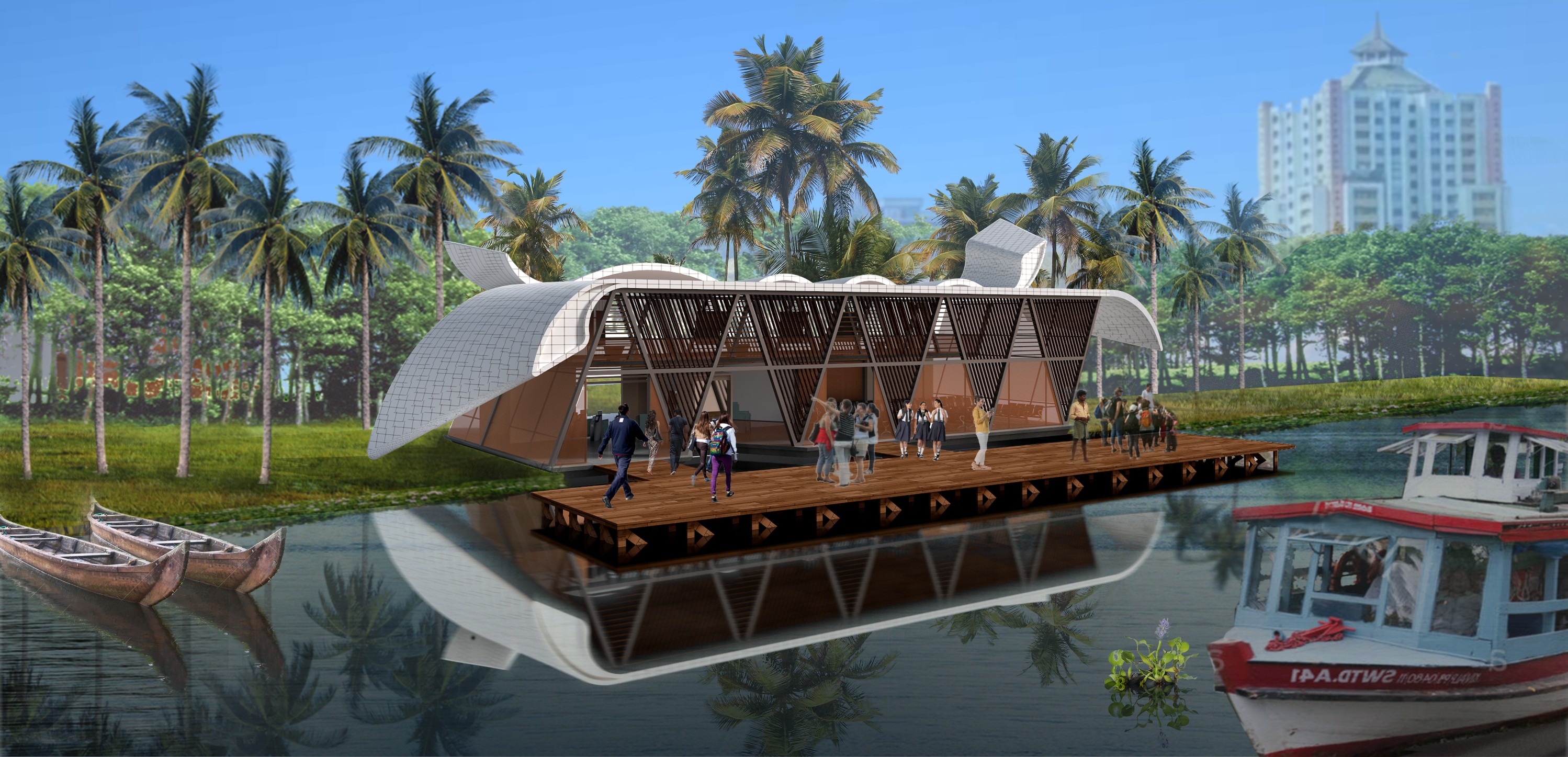
The terminal in Fort Kochi sits as lightly as a Pavilion overlooking the waters. The roof of the terminal is punctured by five large circular openings which are topped by skylights that reflect the form of a boat hull. Taking inspiration from the Chinese fishing nets close by, the slit in the roof of the terminal is covered with a large and free form space frame structure covered in metal mesh, that reinterprets the fishing nets. At a few points along the circular openings, the space frame structures thrust towards the water's edge and burst out of the building, much like fishing nets being thrown out in the water. Taking this attitude into the Urban plaza, large wire mesh sculptures are imagined in the middle of the covered walkways. While pedestrians can walk through/under these structures, the upper heights of these voluminous sculptures feature fishing net like fluid forms and other sculptural objects seemingly suspended in the air.
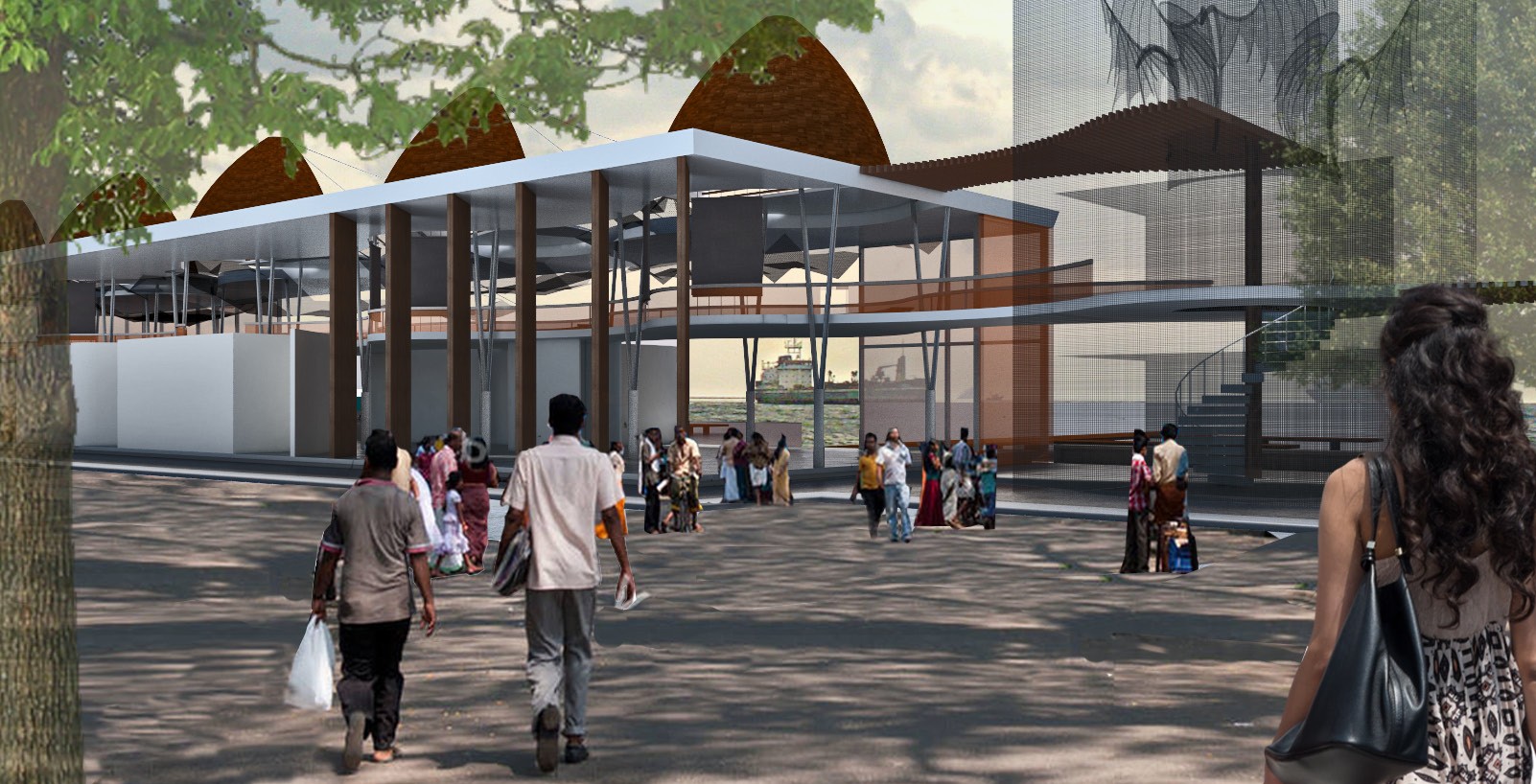
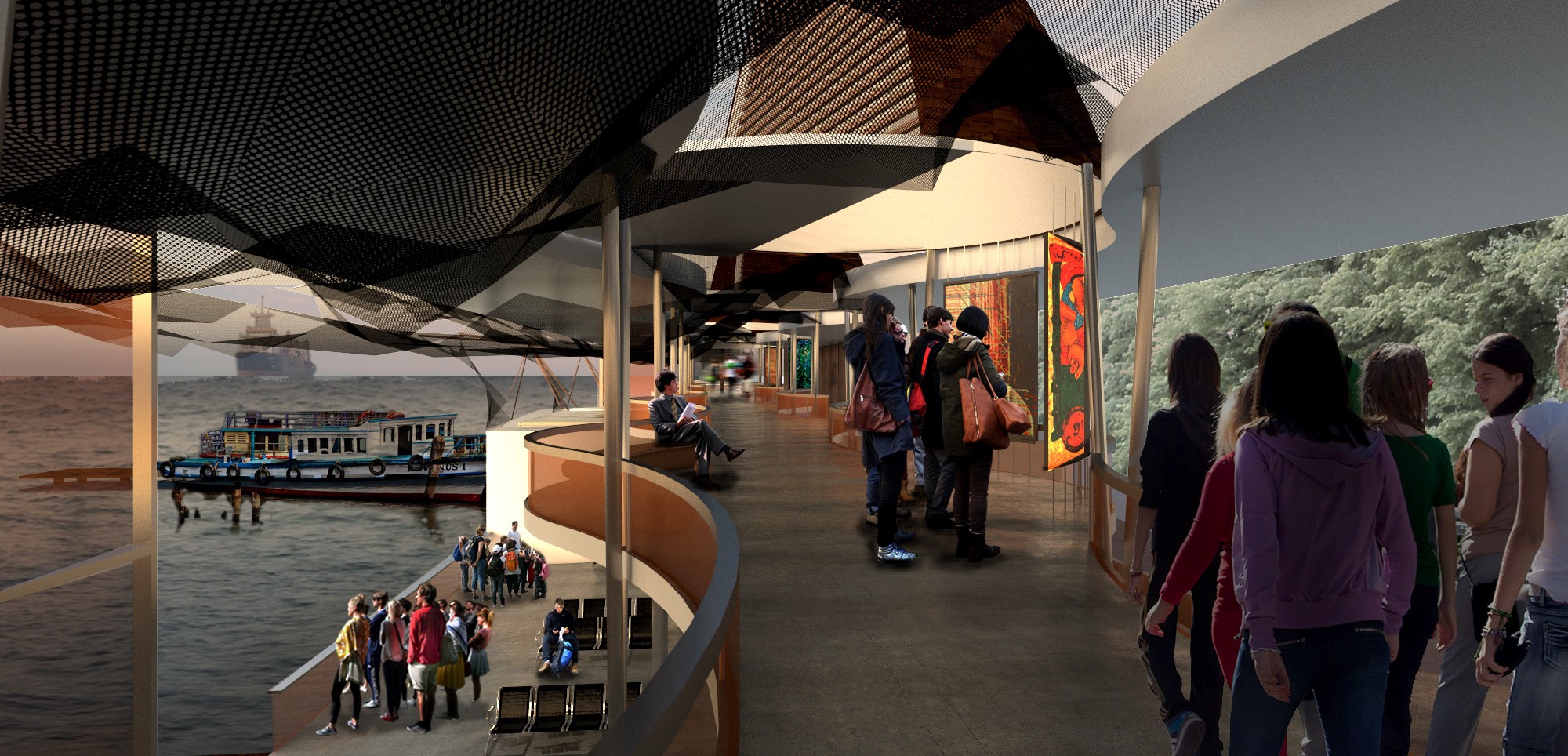
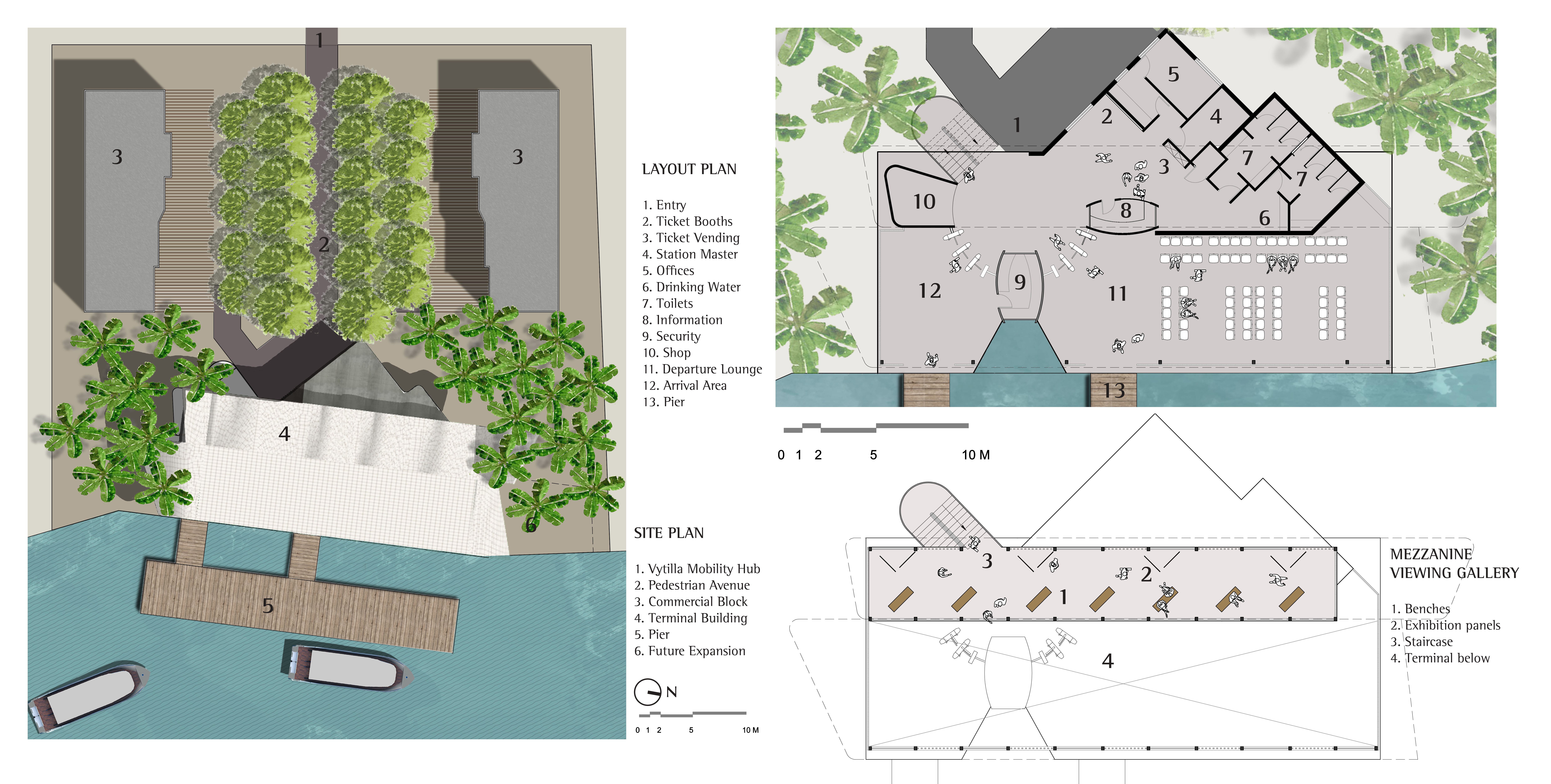
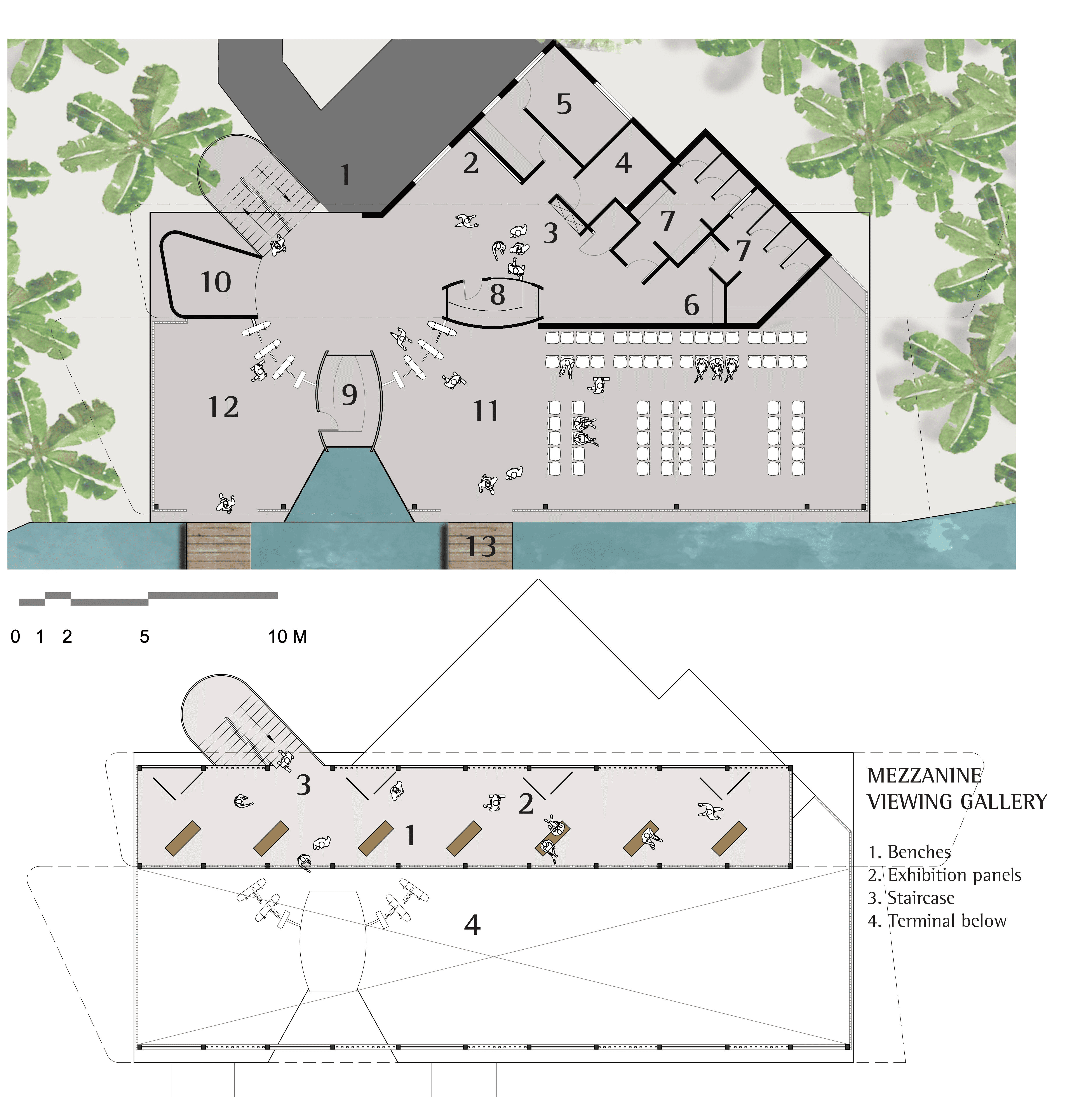
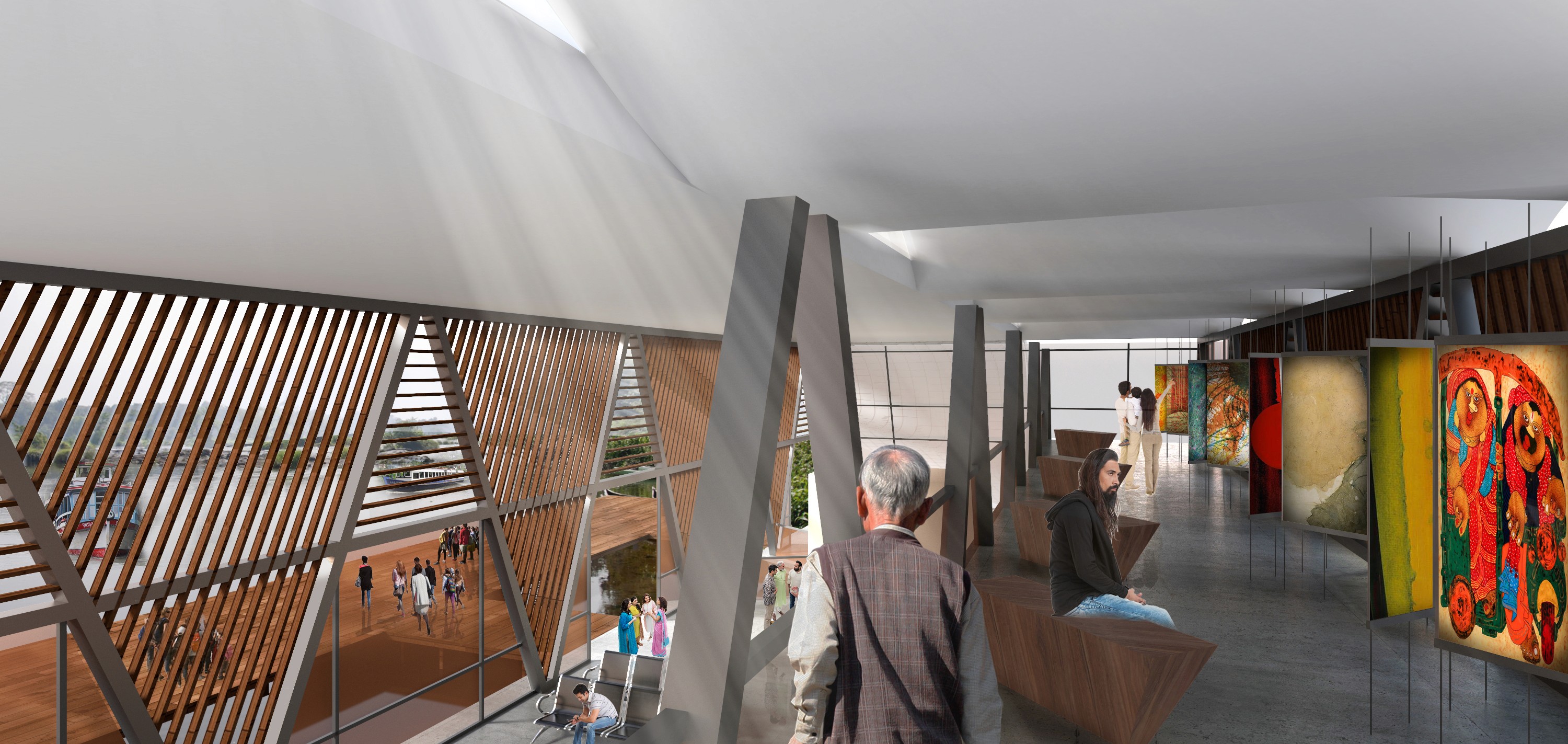
The walkways expand into a little square as one approaches the Ferry terminal to take care of the large number of passengers at this point. One enters into a large circular space that allows the passengers to conveniently perform all the necessary functions intuitively. Arrival and departure areas are marked separately to ease the flow of passengers. Once the passenger enters the controlled waiting area, he awaits the ferry with real time infor mation displayed on large screens and the same can even me developed as a mobile app. Passengers with longer waiting time can also access the mezzanine area without entering the controlled departure area. The mez zanine offers good views across the river and is an informal waiting and gathering space ideally suited for temporary and traveling exhibitions.